

The Dark Knight Returns Deluxe Edition (Parts 1 & 2) | 2012/2013 | 148 minutes
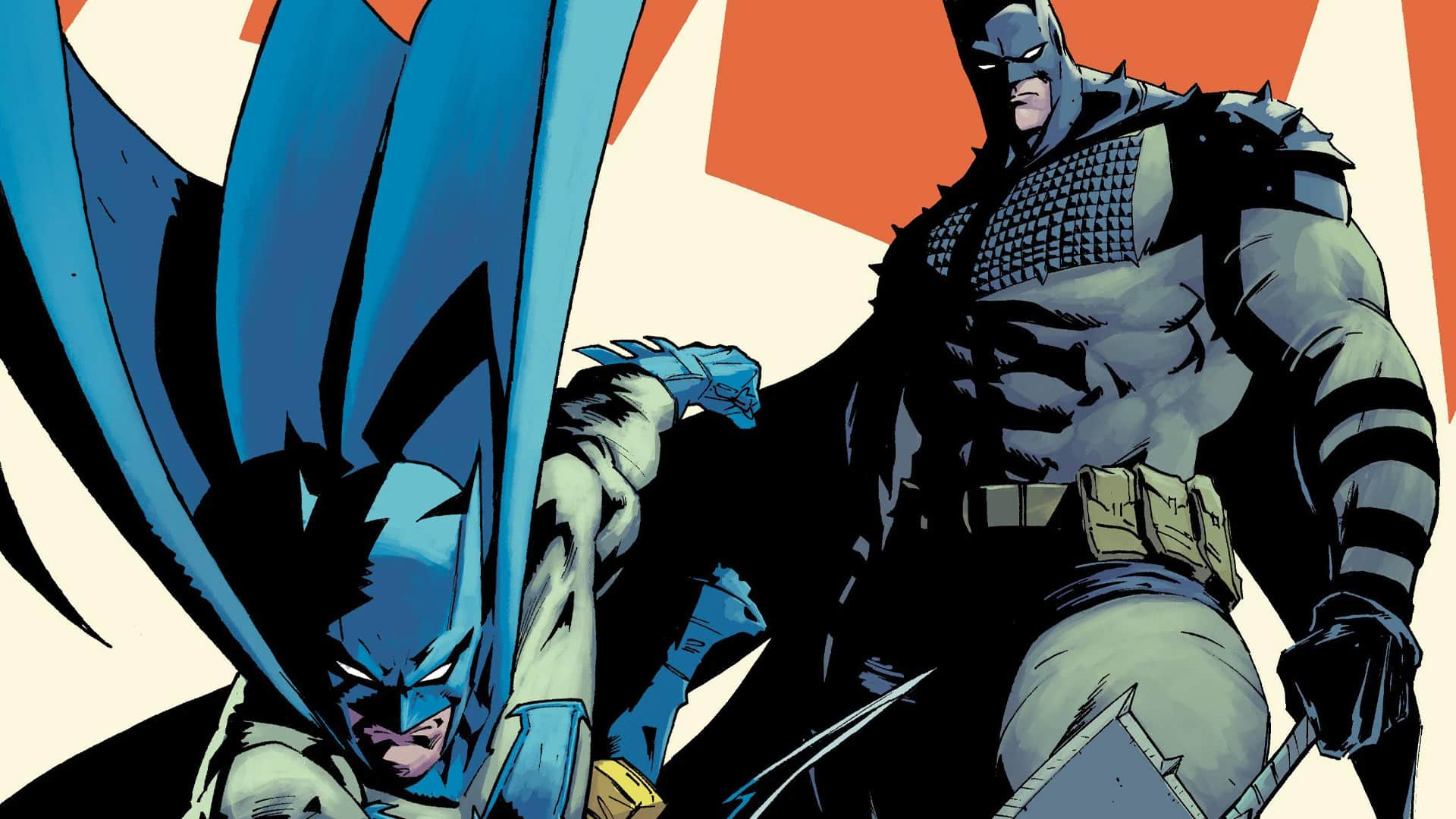
It has been 10 years since Batman retired after the brutal loss of the second Robin, Jason Todd, and Gotham is overrun by the Mutant gang, a whole different threat from the villains that terrorised the city in the past.
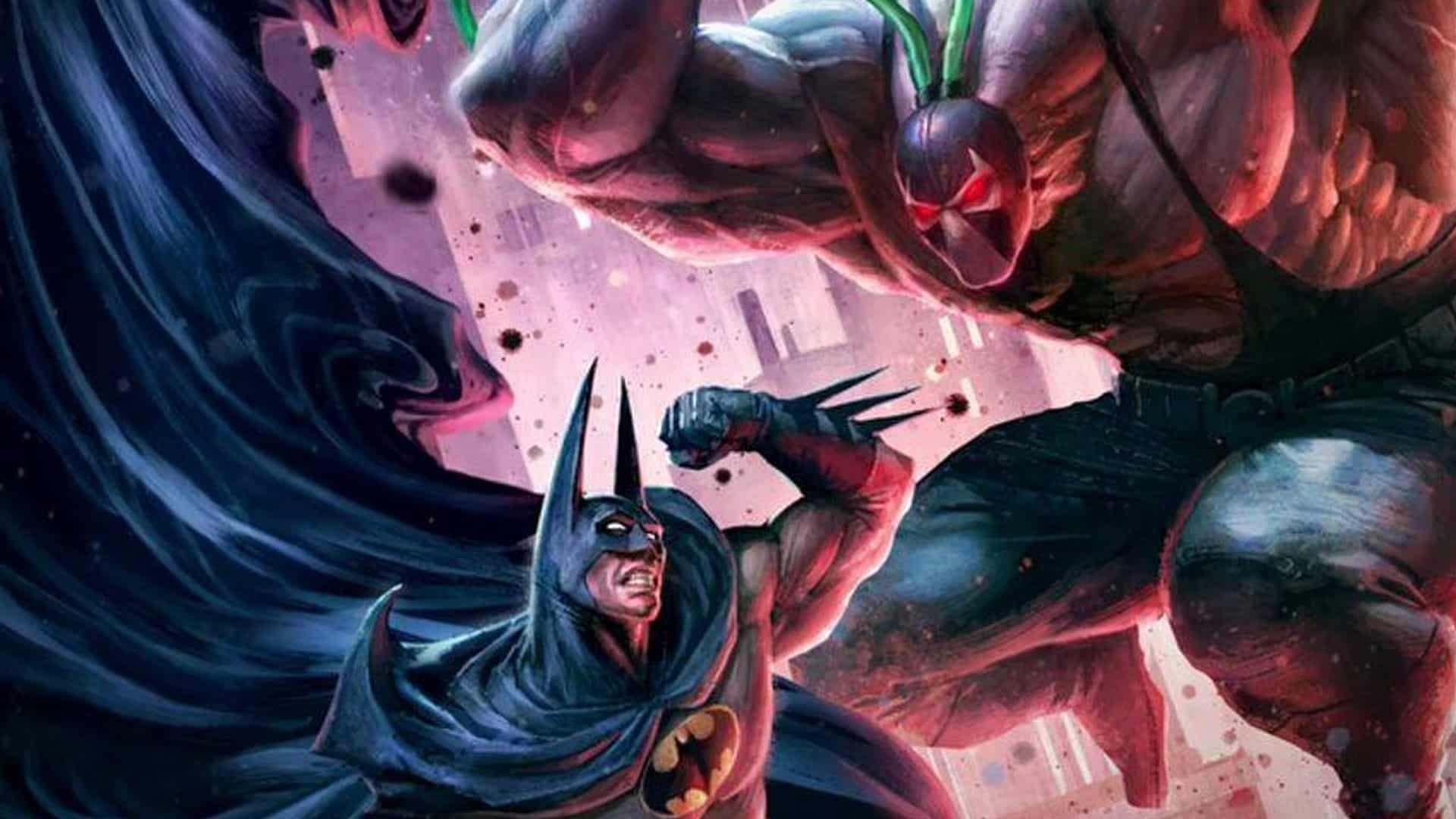
In this dystopian future, the overrun, terrorised city and the disappearance of an apparently cured Harvey ‘Two-Face’ Dent rouse a surly Bruce Wayne back into action, just as his old ally Jim Gordon is retiring. But the United States has changed, and the administration that has brought the superhero community to heel has little tolerance for a returning vigilante, and the bulked-up Dark Knight soon finds himself facing old friends and old enemies.
In many ways, it’s the defining Batman story of the Modern Age. The shadow cast by Frank Miller’s The Dark Knight Returns over Batman, DC Comics and comic books in general hasn’t diminished as it crosses its 40th birthday. That’s some high-voltage lightning behind it. Batman in a tank! Batman on a horse! Can an animation do it justice?
Warner Bros. Animation’s take on Frank Miller’s hugely influential future take on Batman, The Dark Knight Returns, was a long time coming. It wasn’t something to be taken on lightly. Few comics are as influential, but it’s clear that the two-part film that took the respective 15th and 16th spots in the DC Universe Animated Original Movies line (handily, DCUAOM for short) took pains to do it right.
For one thing, the DUAOM had a warm-up with 2011’s Batman: Year One. Another formative Batman tale from Miller, one he was contractually required to write after The Dark Knight Returns and a story that has the distinction of being canon to both that futuristic miniseries and mainstream Batman continuity. Then, there was the director. Jay Oliva, who’d previously worked on the animated films Under the Red Hood (2010) and Year One, and would also crucially help storyboard Batman v Superman: Dawn of Justice–the live-action film that took considerable inspiration from Miller’s 1986 series.
Overall, Part 1 and 2–combined into a hefty 148-minute cut–displays some strengths and weaknesses. Miller’s style would continue to evolve, but it was already breathtakingly distinctive in the original four-part series he brought to life with inker Klaus Janson and colourist Lynn Varley. It’s impossible to break away from its gnarliness and grotesquery, but the movie does a good job marrying that style with the more typical rugged look of the DCUAOM.
The story is relatively faithful to its source, with some give-and-take. The momentous fight with Superman that provides the climax of the second film is lengthier. Earlier, the Joker, memorably rousing from a coma when he hears his nemesis has returned, gets more run-time than the comics allowed. Some of Miller’s language has been smoothed off too.
Typically, it’s particularly good in the brooding moments and the action, but not so much in one of the comics’ most famous and effective parts: the talking heads.
News anchors, panellists and commentators provide a brilliant fabric of commentary and world-building in the original issues and are present and correct in the movies. But here they intercut to break up the action. They have the right mix of wry and serious points and escalation, but the film can’t recapture the distinctive layout of the comics that was a huge part of its success. It just isn’t as effective as seeing the bank of TV screens on the page. It’s a clear choice, but a conventional one. Perhaps Oliva could have played this a little differently, but it’s hard to ignore that these are TV talking heads finally on a TV.
On a brighter note, the voice casting and direction are again in the hands of animation legend Andrea Romano. Peter Weller is an inspired, slightly left-field choice as the haggard, embittered Bruce Wayne. His voice isn’t gravelly as much as a repeating wail in a cave. Michael Emerson is a similarly intriguing choice as the Joker, a less smiley kind, considered by his psychologist in the vacuum left by the Dark Knight’s absence as “The victim of the Batman’s narcissistic obsession.” It plays against the distinct Bowie-vibes of the incarnation found in Miller’s original, but it works wonders. Ariel Winter also does well as the too-often-overlooked new Robin, Carrie Kelley. A special note must go to Devaid Selby, a Dark Shadows veteran, who brings an essential weariness to the shining beacon that is Jim Gordon, now well and truly brought into the Bat-fold.
This adaptation of The Dark Knight Returns also lacks Batman’s inner monologue, but the result of this and those other choices is a story that flows a little more smoothly and is slightly easier to follow. It has clear beginnings, middles and ends across the two major acts, even if that necessarily loses a lot of the nuance and fails to capture the full distinctive feel of Miller’s original.
Still, it’s an impressive film of two parts, gritty, muscular and showing the consistent high quality the DUAOM had reached at that point. It’s well worth a look and a fine companion piece to Miller’s legendary original.
If the near-two-and-a-half-hours isn’t enough, the Deluxe Edition that fuses the two parts and is surely the best way to experience it now, comes with an epic amount of special features–nearly three hours. That’s a pretty formidable package and a phenomenal tribute to one of Batman’s greatest moments. No, more than that: it’s a lightning-powered sign of life.


0 Comments